FREE Editable Pencil Box Name Tags Label
The beginning of a school year often brings a chaotic mix of new supplies, unfamiliar routines, and the need to establish order quickly. In this environment, small organizational tools can make a significant difference in how efficiently a classroom runs or how well a student manages their personal workspace. FREE Editable Pencil Box Name Tags Label represents more than just a printable sheet; it is a practical solution for creating a personalized and functional learning environment. Whether you are an educator managing thirty different desks or a parent helping a child get ready for their first day, these tags offer a straightforward way to bridge the gap between disorganization and readiness.
At its core, this resource provides a customizable design that fits seamlessly into the daily lives of young learners. The concept is simple yet effective: by placing a clear identifier on a pencil box or desk, students can immediately locate their materials and take ownership of their space. This level of organization is particularly crucial for PreK, Kindergarten, and First Grade students who are still developing the cognitive skills required to manage multiple items without confusion. When a student sees their name clearly displayed, it reinforces a sense of belonging and responsibility, which are foundational elements for academic success.
Design Flexibility for Diverse Learning Spaces
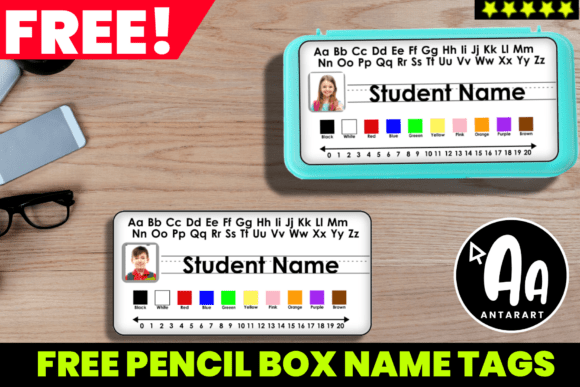
One of the most valuable aspects of these tags is the attention paid to physical dimensions. Not all storage solutions are created equal, and what fits in a standard plastic bin might not work in a narrow wooden cubby or a specific brand of pencil case. The inclusion of three distinct sizes ensures that the label can adapt to various containers. This versatility means you do not have to compromise on the aesthetic or the utility of the tag based on the equipment your students already possess. You can select the size that perfectly aligns with the available surface area, ensuring the text remains legible without overwhelming the space.
The design itself is crafted with a portrait frame layout, which is ideal for fitting inside pencil boxes where vertical space is often more abundant than horizontal. This orientation allows for the full alphabet space needed for names of varying lengths, from short monosyllabic names to longer, multi-syllabic ones. By accommodating the full range of student names, the design prevents the awkward cutting off of letters or the need to use abbreviations that might confuse younger children. Furthermore, the availability of color options adds a layer of engagement. For early learners, associating their name with a specific color can be a powerful mnemonic device, making it easier to distinguish their belongings from those of peers during group activities or clean-up times.
Technical Accessibility and Ease of Use
In an educational setting, time is a precious commodity. Teachers and parents alike benefit from resources that require minimal setup. These tags are provided in multiple file formats, including PDF, PNG, JPG, and SVG, catering to different technical needs and software preferences. The high-resolution 300 DPI quality ensures that when printed, the text is crisp and professional, avoiding the pixelation that can occur with lower-quality images. This attention to detail elevates the presentation of the student's workspace, showing respect for the learner's environment.
The "editable" nature of these labels is perhaps the most critical feature for modern users. Unlike static printables that require manual handwriting, editable files allow you to input the correct spelling of each student's name directly before printing. This capability eliminates errors caused by misreading handwriting or typos, which can be discouraging for a child trying to find their own supplies. Once the names are entered, the files can be saved and printed repeatedly. The ability to laminate these tags after printing transforms them into durable tools that can withstand daily wear and tear, allowing for reuse across multiple years or even semesters. This longevity makes the initial effort of customization a worthwhile investment.
Practical Applications Beyond the Desk
While the primary use case involves labeling individual desks or pencil boxes, the utility of these tags extends to various learning centers within a classroom. Consider a math center where materials are shared among groups. If each student has a designated tag, they can easily identify which set of manipulatives belongs to them, reducing conflicts and streamlining the transition between activities. Similarly, in a library corner or reading nook, these tags can help organize book bins or reading logs, teaching children the habit of returning items to their proper place.
For professionals and creators who may be designing curriculum or writing about educational resources, understanding the impact of such small details is vital. A cluttered, unorganized space can increase anxiety and reduce focus in young minds. By providing a tool that simplifies decision-making—specifically the decision of "whose item is this?"—these tags support a smoother flow of instruction. They allow teachers to spend less time mediating disputes over lost pencils and more time facilitating actual learning. This shift in focus is a tangible benefit that contributes to a more positive classroom atmosphere.
Considerations for Implementation
While the benefits are substantial, it is important to approach implementation with realistic expectations. The effectiveness of the tags relies heavily on the consistency of their use. Introducing the tags is only the first step; educators must also model how to use them and reinforce the habit of checking the name before taking an item. Additionally, while the digital files are versatile, users should ensure their printing equipment supports the specific file types they choose. For instance, SVG files offer scalability but may require vector editing software, whereas PDFs are universally compatible with standard printers.
There are also fit considerations regarding the durability of the material. While laminating is recommended, the type of laminate used can affect how the tag adheres to certain surfaces. Some glossy finishes might cause the tag to slide off smooth plastic pencil boxes unless paired with a strong adhesive backing or a clear pocket. Users should test the application method on a single sample before rolling out the process to an entire class. Comparing options for adhesives or protective coverings can ensure the tags remain secure throughout the school year.
Supporting Long-Term Goals Through Organization
The ultimate goal of using FREE Editable Pencil Box Name Tags Label is to foster independence. When students can confidently navigate their environment and locate their tools without assistance, they build self-efficacy. This skill transfers beyond the classroom, influencing how they approach organization in other areas of life. For entrepreneurs and freelancers who value efficiency, the principle is the same: clear identification and streamlined access to resources lead to better performance.
Moreover, the availability of other designs in the store suggests a broader ecosystem of organizational tools. Educators and parents can curate a cohesive look for their learning spaces, creating a visually pleasing environment that encourages focus. The ability to mix and match styles while maintaining the functional core of the name tags allows for creativity without sacrificing utility. As back-to-school preparations continue, having a reliable, free resource like this available can alleviate some of the stress associated with supply gathering and preparation.
In conclusion, the value of these tags lies in their simplicity and adaptability. They address a common problem—disorganization—with a targeted, user-friendly solution. By providing a robust set of features, including multiple sizes, editable text, and high-quality formats, they empower adults to create structured environments for children. Whether used in a busy public school classroom or a quiet home study area, these labels serve as a constant reminder of order and personal identity. For anyone looking to enhance the functionality of a student's workspace, this resource offers a practical starting point that yields immediate and lasting results.